
Maximizing space and style on a small patio is a design challenge, but Japanese aesthetics offer unique solutions. This exploration dives into creating serene and functional outdoor spaces, blending the minimalist elegance of Japanese design with the practical needs of compact patios. From clever furniture layouts to thoughtful material choices, discover how to transform a small outdoor area into a tranquil retreat.
This guide explores the nuances of Japanese patio furniture, specifically tailored for compact spaces. It delves into the core principles of Japanese garden design and how these principles can be effectively translated to outdoor living areas. By understanding the elements of scale, proportion, and lighting, you’ll learn how to create a visually appealing and inviting space without sacrificing functionality.
Introduction to Small Space Patio Furniture
Small patios, often a haven for relaxation and entertaining, present unique challenges in furniture selection. Limited space necessitates careful consideration of size, style, and functionality. Maximizing the available area and creating a welcoming ambiance require a strategic approach to furniture placement and design. The right choices can transform a cramped outdoor space into a cozy and enjoyable retreat.Careful planning is crucial for small patios.
Furniture must be chosen with a focus on compact designs, multi-functional pieces, and smart layouts to maximize space and minimize visual clutter. The key lies in balancing aesthetics with practicality, ensuring the patio remains usable and attractive despite its confined dimensions.
Key Considerations for Small Patio Spaces
Maximizing space in a small patio hinges on selecting furniture that serves multiple purposes. Folding chairs, for example, can be stored away when not in use, freeing up valuable floor space. Compact tables, often designed with a smaller footprint, are essential for dining or enjoying beverages. Modular furniture sets allow for configurations that adapt to the specific needs of the space, providing flexibility in arrangement and accommodating guests without overwhelming the area.
Types of Small Patio Furniture Layouts
Small patio layouts can be strategically designed to optimize the available area. A linear arrangement, with furniture positioned along a wall or fence, can effectively utilize the space without compromising on comfort or social interaction. A central island layout, with a smaller table and chairs in the center, is suitable for intimate gatherings or relaxed conversations. Corner configurations can maximize the use of nooks and crannies in the patio, creating cozy corners for reading or relaxing.
Consideration should be given to traffic flow and ease of access to different areas of the patio.
Small Patio Furniture Styles and Space-Saving Features
| Furniture Style | Space-Saving Features |
|---|---|
| Folding Chairs | Lightweight, easily stored when not in use, reducing clutter. |
| Compact Tables | Smaller footprint, allowing for more flexibility in arrangement, often with hidden storage or built-in features. |
| Modular Sets | Pieces can be rearranged to suit different needs and space configurations. Some sets include built-in storage compartments. |
| Stackable Chairs | Can be easily stacked and stored away when not needed, maximizing floor space. |
| Low-Profile Furniture | Creates an illusion of more space by keeping the furniture lower to the ground. |
Japanese Design Aesthetics
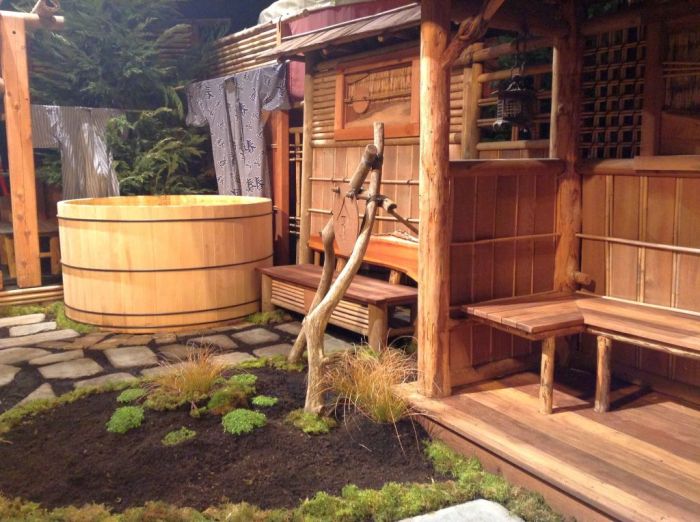
Japanese design, deeply rooted in centuries of tradition, emphasizes harmony with nature and a minimalist approach. This philosophy translates seamlessly into small-space patio furniture, offering a tranquil and visually appealing outdoor living experience. The careful selection of materials and forms, often inspired by natural elements, creates a sense of calm and serenity, perfect for creating an intimate outdoor sanctuary.Japanese garden design, at its core, strives for a sense of balance and interconnectedness between the natural world and human presence.
This aesthetic, centered on the concept of
wabi-sabi*—embracing imperfection and impermanence—finds expression in the design and selection of patio furniture.
Core Principles in Patio Furniture Design
The core principles of Japanese garden design, such as emphasizing natural forms and minimizing clutter, heavily influence the design of Japanese-style patio furniture. The goal is to integrate the furniture seamlessly into the surrounding landscape, not to dominate it. The use of natural materials and muted color palettes is essential in achieving this effect. A key principle is the concept of
ma*, or negative space, which creates a sense of spaciousness and allows the beauty of the natural surroundings to take center stage.
Materials and Color Palettes
Japanese-style patio furniture often employs natural materials such as bamboo, wood (especially cedar or treated pine), and woven rattan. These materials, with their inherent textures and colors, evoke a sense of connection to nature. Color palettes are typically muted and earthy, featuring shades of gray, beige, brown, and green, echoing the colors found in a serene Japanese garden.
The use of natural finishes, like clear lacquers or oils, enhances the warmth and authenticity of the pieces.
Examples of Minimalist and Natural Design
Several furniture pieces exemplify the minimalist and natural design elements of Japanese-style patio furniture. Low, sleek benches with a simple, organic form often crafted from bamboo or treated wood are a prime example. Similarly, small, round tables made of natural materials like wood or stone, with a simple, uncluttered design, contribute to the overall tranquility. These pieces, in their simplicity, offer a sense of calm and allow the beauty of the natural surroundings to take precedence.
The shape and proportions of these pieces often reflect natural elements, such as the graceful curve of a branch or the flowing lines of water.
Comparison with Other Styles
| Feature | Japanese Style | Modern Style | Rustic Style |
|---|---|---|---|
| Materials | Bamboo, wood, rattan | Metal, glass, plastic | Wood, stone, reclaimed materials |
| Color Palette | Muted, earthy tones | Bold, contrasting colors | Warm, natural tones |
| Form | Simple, organic shapes | Geometric, angular shapes | Natural, rustic shapes |
| Space Perception | Enhances sense of spaciousness | Can feel crowded in small spaces | Can feel cluttered if not properly scaled |
This table provides a concise comparison of Japanese-style patio furniture to other common styles, highlighting the distinct characteristics of each. The subtle nuances in materials, color, and form differentiate Japanese design, promoting a tranquil atmosphere and a deeper connection to nature.
Space-Saving Patio Furniture
Maximizing space is paramount for small patios. Japanese design principles, with their emphasis on minimalism and functionality, offer valuable lessons in optimizing limited outdoor areas. Clever use of multi-functional furniture and innovative folding mechanisms can transform a compact patio into a relaxing and inviting retreat.The key to success lies in selecting furniture that serves multiple purposes. Instead of separate pieces for seating and storage, integrating these functions into a single unit streamlines the space and eliminates clutter.
This approach aligns seamlessly with the Japanese aesthetic, which values efficiency and harmonious integration within a contained space.
Multi-Functional Furniture
Multi-functional furniture is essential in small spaces, eliminating the need for bulky, standalone items. These pieces combine seating with storage, creating a sense of organization and efficiency. Consider ottomans with hidden storage compartments, benches with integrated drawers, or coffee tables with lift-top mechanisms. These solutions free up valuable floor space and keep the patio feeling uncluttered.
Folding Mechanisms
Folding furniture is another crucial element in space-saving patio design. Different folding mechanisms offer various advantages. Tabletops that fold flat or chairs that collapse into compact units provide flexibility to accommodate changing needs and minimize the visual impact of the furniture. This is especially beneficial for small spaces, where the furniture can be tucked away easily when not in use.
For example, a folding table can be stored against a wall when not needed, allowing the patio to transform from a dining area to a relaxing lounge space. This type of adaptability enhances the usability and versatility of the outdoor area.
Vertical Integration
Vertical space is often overlooked in patio design. Integrating furniture into vertical spaces is an excellent way to maximize a small patio. Consider wall-mounted shelves for storing outdoor cushions or potted plants, or wall-mounted benches or seating that can be tucked away when not in use. This maximizes space utilization without sacrificing comfort. For instance, a wall-mounted storage unit can be designed to hold gardening tools, outdoor cushions, or decorative items.
This approach, mirroring the vertical organization common in Japanese interiors, effectively uses the entire space available, creating a cohesive and efficient design.
Material Considerations
Choosing the right materials for small patio furniture is crucial for both aesthetic appeal and long-term durability. Selecting lightweight, weather-resistant materials that can withstand the elements while fitting seamlessly into a compact space is paramount. Careful consideration of maintenance requirements is essential to ensure the furniture remains in pristine condition for years to come.Material selection for small patio furniture must balance durability, aesthetic appeal, and practicality.
Lightweight materials offer a significant advantage in small spaces, allowing for easy movement and storage when not in use. The choice of material will directly impact the overall look and feel of the patio, influencing the overall aesthetic harmony with the surrounding environment.
Durability and Maintenance of Materials
Different materials exhibit varying degrees of durability and require different levels of maintenance. Wood, for example, needs regular sealing and refinishing to prevent decay and maintain its aesthetic appeal. Metal, while often highly durable, can rust or corrode if not properly treated. Plastic, while low-maintenance, can be less durable in extreme weather conditions or prone to fading.
Lightweight and Foldable Materials
Lightweight materials are advantageous in small spaces. Aluminum and resin wicker are excellent choices, offering both durability and ease of movement. Foldable designs allow for compact storage when not in use, maximizing space utilization. This is particularly beneficial for apartments or patios with limited square footage. For instance, a foldable bistro set can be easily tucked away when not needed, freeing up valuable patio space.
Weather-Resistant Materials for Outdoor Use
Weather resistance is paramount for outdoor furniture. Materials like teak, aluminum, and powder-coated steel excel in this regard, withstanding harsh weather conditions. Resin wicker, while not as naturally weather-resistant as teak, can be treated to enhance its longevity. High-quality outdoor-grade fabrics also provide excellent weather resistance.
Material Comparison Table
| Material | Durability | Cost | Aesthetics | Maintenance |
|---|---|---|---|---|
| Teak | High | Medium-High | Warm, natural | Requires sealing and refinishing |
| Aluminum | High | Medium | Modern, clean lines | Low, requires occasional cleaning |
| Powder-coated Steel | High | Medium | Versatile, can mimic other materials | Low, requires occasional cleaning |
| Resin Wicker | Medium | Medium | Appealing, often mimicking natural materials | Low, requires occasional cleaning |
| Plastic | Low-Medium (depending on quality) | Low | Modern, various colors | Low, but susceptible to fading and cracking |
Furniture Scale and Proportion
Maximizing the visual impact of a small patio requires careful consideration of furniture scale and proportion. Choosing the right size furniture pieces is crucial for creating a sense of spaciousness and avoiding a cramped or cluttered appearance. The size and arrangement of furniture directly influence how the patio is perceived. An improperly scaled arrangement can quickly overwhelm a compact outdoor area, diminishing its overall appeal.Understanding the impact of furniture size on the perception of space is paramount in designing a small patio.
Oversized furniture can visually shrink the space, making it feel smaller and less inviting. Conversely, appropriately sized furniture can create a sense of openness and airiness, enhancing the patio’s aesthetic appeal.
Choosing the Right Scale for Small Patios
The key to successful furniture selection for a small patio lies in understanding the importance of scale and proportion. A well-chosen scale will create a sense of harmony and balance, allowing the patio to feel larger than its actual size. A good rule of thumb is to select furniture pieces that are roughly one-third to one-half the size of the patio itself, to ensure a harmonious balance.
Impact of Furniture Size on Space Perception
The perception of space is directly influenced by the scale and arrangement of furniture. Oversized furniture can overwhelm the patio, visually diminishing the available area. Smaller, more compact pieces create a sense of openness and airiness, making the patio appear larger than its actual dimensions.
Avoiding Overcrowding a Small Patio
Overcrowding a small patio with furniture can drastically reduce the available space and create a sense of confinement. The arrangement of furniture should prioritize creating clear pathways and visual flow, enhancing the sense of spaciousness. Consider using furniture with open backs or designs that allow for unobstructed views, thereby maximizing the sense of openness.
Utilizing Visual Cues to Enhance Space
Creating the illusion of more space in a small patio involves strategically using visual cues. Mirrors strategically placed near the patio can reflect light and create the perception of depth, expanding the area. Light colors and reflective surfaces are crucial to making a small patio feel larger and more open. Light-colored furniture, walls, and floors can help to brighten and enlarge the space.
Using a lighter palette for furniture and decor will reflect more light and make the area appear more spacious. Employing a mix of textures, patterns, and colors, while maintaining a harmonious aesthetic, can also contribute to the illusion of a larger space.
Lighting and Ambiance
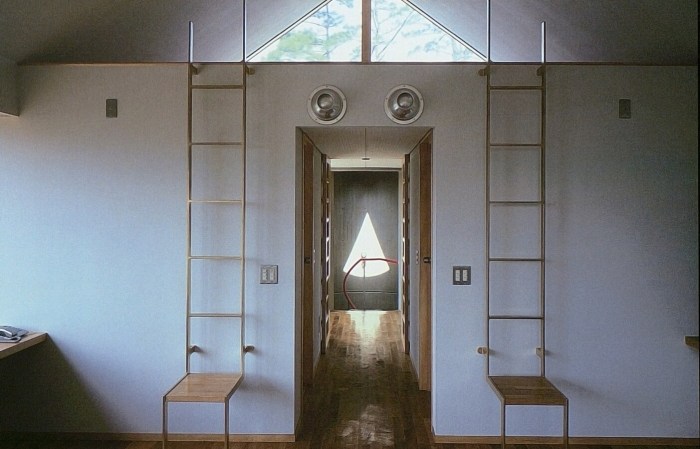
A well-lit small patio transforms from a functional space to a welcoming retreat. Strategic lighting enhances the ambiance, highlighting the aesthetic appeal of the furniture and the surrounding environment. This carefully considered approach allows for a comfortable and enjoyable experience, even in limited areas.Effective lighting design in a small patio is paramount to creating a cozy and inviting atmosphere.
The careful selection and placement of lighting fixtures can significantly impact the overall feel of the space, making it more visually appealing and conducive to relaxation.
String Lights and Lanterns
String lights and lanterns provide a warm and inviting ambiance, perfect for creating a relaxed atmosphere. These fixtures are particularly effective for establishing a sense of intimacy and connection with nature. Consider using warm-toned LED string lights for a soft, inviting glow, and choose lanterns with translucent shades for a diffused, atmospheric effect. A mix of different heights and styles can further enhance the visual interest.
Spotlighting for Architectural Features and Furniture
Strategic spotlights can highlight architectural features or key furniture pieces. By focusing light on specific elements, these fixtures draw attention to their unique design or craftsmanship, adding depth and dimension to the small patio. For example, spotlights directed towards a carefully chosen piece of Japanese-inspired pottery or a particular architectural detail of the patio structure can create a focal point, enhancing the visual narrative.
Using adjustable spotlights allows for dynamic lighting adjustments.
Ambient Lighting Techniques for Small Spaces
Ambient lighting is crucial for creating a cohesive and welcoming atmosphere in small patios. Combining various lighting sources, such as warm-toned recessed lighting, wall sconces, or subtle pathway lights, is key to achieving a harmonious and visually appealing space. For example, incorporating subtle lighting along the patio’s edges can create a warm, inviting boundary. Using low-level, indirect lighting creates a gentle glow without harsh shadows, particularly important in a smaller area.
Outdoor Textiles and Accessories
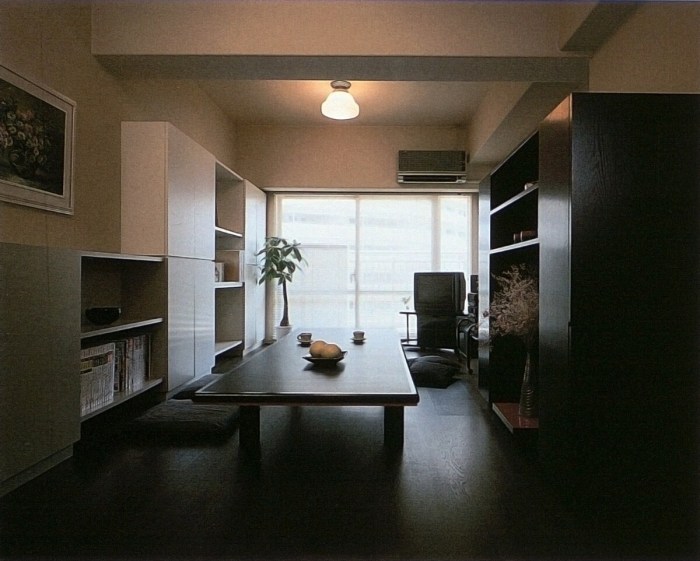
Maximizing the visual appeal and functionality of a small Japanese-style patio hinges critically on the selection of outdoor textiles and accessories. Careful consideration of color palettes, textures, and patterns can transform a compact space into a serene and inviting retreat. These elements contribute to the overall ambiance, creating a sense of tranquility and harmony that is deeply rooted in Japanese design principles.Outdoor textiles, like cushions, throws, and rugs, are not just functional; they are integral design components that enrich the sensory experience of the patio.
The careful integration of these elements allows for the creation of a microcosm of Japanese aesthetics within a limited space. This careful attention to detail is essential for a truly authentic and engaging experience.
Color and Texture Considerations
Japanese design aesthetics often favor natural tones and muted colors. Earthy palettes like greens, browns, and grays, alongside subtle variations of creams and beiges, evoke a sense of calm and connection with nature. These colors harmonize with the natural surroundings and create a serene atmosphere. Incorporating textures such as linen, bamboo, or rattan adds depth and tactile interest, enhancing the overall visual appeal.
The interplay of textures and colors contributes to a layered aesthetic, similar to the principle of layering in traditional Japanese gardens.
Outdoor Cushions, Throws, and Rugs
The selection of outdoor cushions, throws, and rugs plays a significant role in defining the ambiance of a small patio. Natural materials like cotton, linen, and jute are excellent choices, reflecting the emphasis on sustainability and simplicity in Japanese design. For example, a set of cushions in muted gray linen, accented with a natural-fiber throw, can create a sophisticated and tranquil atmosphere.
Rattan or bamboo rugs can add warmth and a sense of grounding to the space, while also contributing to the overall aesthetic of a Japanese-style patio.
Textile Options for Outdoor Furniture
| Furniture Piece | Textile Option 1 | Textile Option 2 | Textile Option 3 |
|---|---|---|---|
| Outdoor Dining Set | Natural linen cushions with subtle, hand-woven patterns | Jute-covered cushions with a deep, earthy tone | Rattan-colored cushions with a linen throw |
| Lounge Seating | Muted gray cotton cushions with a light-brown throw | Light-green linen cushions with a woven bamboo throw | Beige linen cushions with a natural jute rug |
| Patio Bench | Beige linen cushions with a dark-brown, textured throw | Natural linen cushions with a dark gray throw | Gray-and-white striped outdoor cushions |
These examples demonstrate how the appropriate textiles can effectively transform the look and feel of a small patio. Each choice influences the overall atmosphere and contributes to the harmony of the space. The careful selection of textiles can elevate the design and create a tranquil and inviting outdoor living space.
Practical Considerations for Small Spaces
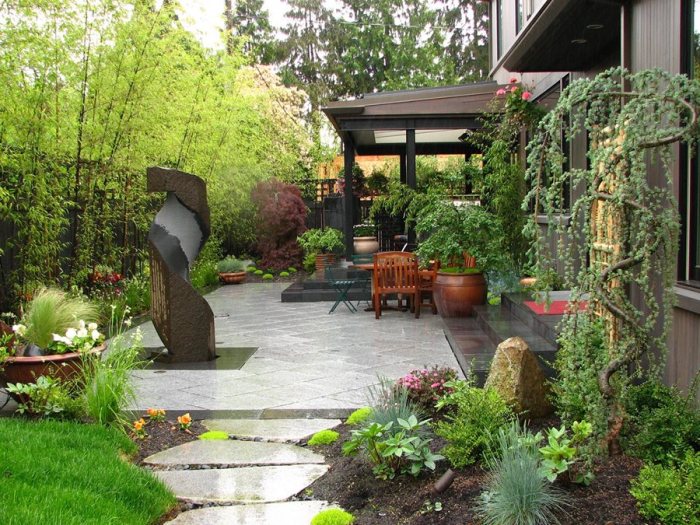
Maximizing the potential of a small patio requires a strategic approach that blends aesthetic appeal with functional efficiency. Japanese design principles, emphasizing minimalism and multi-functionality, offer valuable guidance in optimizing limited space. This necessitates careful consideration of storage solutions, furniture arrangement, and clutter management to create a serene and usable outdoor haven.Optimizing a small patio involves more than just choosing the right furniture.
A thoughtful approach to storage, furniture placement, and clutter control is crucial to create a functional and enjoyable space. This includes understanding how to integrate storage into the furniture itself and strategically arranging pieces to maximize the available area.
Storage Solutions for Small Patios
Effective storage is paramount in small-space patios. Limited square footage demands clever solutions to keep belongings organized and out of sight. This includes utilizing vertical space, employing multi-functional furniture, and integrating storage seamlessly into the design. A well-thought-out storage strategy minimizes visual clutter, creating a more serene and inviting ambiance.
Integrating Storage into Furniture Pieces
Furniture with built-in storage is an ideal choice for maximizing space utilization. Benches with hidden compartments, coffee tables with drawers, and ottomans with storage are just a few examples. These pieces not only provide a place to stow away items but also enhance the overall aesthetic of the patio. Consider low-profile, narrow furniture pieces that are designed to take up less floor space.
Maximizing Space Usage with Creative Furniture Arrangements
Creative furniture arrangement can significantly impact the perceived size of a small patio. Consider arranging furniture in a way that allows for easy movement and access to all areas of the patio. This could involve using modular furniture pieces, arranging seating in a semi-circle to create an intimate atmosphere, or strategically placing furniture to maximize the use of available space.
Managing Clutter and Maintaining Order
Maintaining order on a small patio is crucial for its overall appeal and functionality. Implementing a regular decluttering routine, utilizing clear storage containers, and strategically placing storage solutions can effectively manage clutter. Using baskets, bins, and decorative boxes to hold items helps keep the patio tidy and visually appealing. Choosing durable, weather-resistant storage solutions is also important for longevity.
Furthermore, establishing designated areas for specific items helps in maintaining order. A designated spot for umbrellas, gardening tools, and other patio accessories can greatly reduce clutter and maintain a sense of organization.
Budget-Friendly Options
Creating a serene Japanese-style patio in a small space doesn’t necessitate a lavish budget. Savvy strategies and resourceful choices can yield stunning results without breaking the bank. Finding affordable options often involves a blend of creativity, resourcefulness, and a keen eye for detail.
Affordable Furniture Sources
Budget-conscious consumers can discover excellent Japanese-style patio furniture through a variety of channels. Thrift stores, online marketplaces, and local consignment shops often offer surprisingly affordable options, allowing for a unique aesthetic without the premium price tag. Reputable online retailers also provide competitive pricing on contemporary designs that align with Japanese minimalism.
Custom Furniture from Recycled Materials
Transforming discarded materials into exquisite patio furniture can be an environmentally responsible and cost-effective way to achieve a unique look. Wooden pallets, metal scraps, and repurposed containers can be repurposed into stylish seating, tables, and planters. This method not only reduces waste but also fosters a sense of personal creativity and connection with the space. A skilled DIYer can craft a bespoke patio setup that perfectly complements the small space while reflecting personal style.
Secondhand and Refurbished Furniture
Secondhand and refurbished furniture markets offer a treasure trove of possibilities. A careful inspection and evaluation of the condition and quality are essential when choosing this route. Look for pieces with solid construction, minimal damage, and the potential for a fresh coat of paint or stain to revitalize the look. Websites specializing in secondhand furniture can provide valuable resources and curated selections.
Comparative Pricing and Features of Furniture Types
| Furniture Type | Estimated Price Range (USD) | Key Features | Sustainability Considerations |
|---|---|---|---|
| Repurposed Pallet Bench | $50-$200 | Rustic, durable, customizable | Environmentally friendly, reduces landfill waste |
| Secondhand Wooden Patio Table | $50-$300 | Traditional aesthetic, potential for restoration | Reduces demand for new production, extends lifespan |
| Refurbished Metal Outdoor Chairs | $30-$150 | Modern, sturdy, often with powder coating | Preserves resources, minimizes waste |
| Budget-Friendly Bamboo Patio Set | $150-$500 | Light, airy, naturally attractive | Sustainable material, relatively low maintenance |
Note: Price ranges are estimates and can vary significantly depending on the specific item, condition, location, and retailer.
Maintenance and Durability
Japanese-style patio furniture, prized for its minimalist elegance and natural materials, requires thoughtful maintenance to endure the rigors of outdoor exposure. Proper care ensures the furniture’s beauty and longevity, preserving its investment and aesthetic appeal for years to come. Ignoring these aspects can lead to premature deterioration, impacting both the visual appeal and structural integrity of the set.A well-maintained patio set not only retains its aesthetic value but also enhances the overall outdoor living experience.
This meticulous approach extends beyond mere cleaning; it encompasses protective measures and strategic choices in materials to withstand the elements. By understanding the needs of these materials and employing appropriate techniques, owners can significantly extend the lifespan of their investment.
Importance of Regular Cleaning
Regular cleaning is crucial for preventing the accumulation of dirt, grime, and mildew, which can degrade the finish and structural integrity of outdoor furniture. Neglecting this aspect can lead to premature fading, discoloration, and the growth of harmful organisms.
Cleaning and Protecting Patio Furniture
A comprehensive cleaning regimen should be implemented based on the material of the furniture. For instance, teak, a popular choice for its natural oils and durability, benefits from a simple wash with mild soap and water. However, delicate materials like wicker or rattan require gentler treatments to avoid damage. Using a soft-bristled brush and a garden hose can effectively remove loose debris.
For tougher stains, a solution of mild dish soap and warm water may be necessary. After cleaning, thoroughly rinse the furniture and allow it to air dry completely to prevent water spots.
Preventing Damage and Extending Lifespan
Protecting furniture from the elements is paramount for extending its lifespan. Covering the furniture when not in use, especially during periods of inclement weather, can shield it from rain, snow, and harsh UV rays. Using appropriate covers designed for outdoor furniture can help prevent damage from the elements. Protecting furniture from extreme temperatures, both hot and cold, is also critical.
Heat can fade finishes, while cold can cause materials to crack or warp over time.
Methods for Different Materials
| Material | Cleaning Products | Techniques |
|---|---|---|
| Teak | Mild soap and water, specialized teak oil | Gentle scrubbing, thorough rinsing |
| Wicker/Rattan | Mild dish soap and water, specialized wicker cleaner | Soft-bristled brush, gentle scrubbing, avoid harsh chemicals |
| Aluminum | Mild soap and water, specialized aluminum cleaner | Gentle scrubbing, avoid abrasive cleaners |
| Steel | Mild soap and water, specialized steel cleaner | Gentle scrubbing, avoid harsh chemicals |
Protecting from UV Damage
UV rays can significantly degrade the finish and material of outdoor furniture.
Applying a UV protectant or sealant, especially to exposed surfaces, can mitigate the effects of prolonged sun exposure. Regular application of these products, as recommended by the manufacturer, can prevent fading and cracking, thereby extending the furniture’s life. Choosing materials that are inherently resistant to UV damage, such as teak or treated wood, is another crucial factor in maintaining the long-term aesthetic and structural integrity of the furniture.
Visual Examples
![Japanese small room and garden - 3D model by Aspsyxia [7396b49] - Sketchfab](https://sacredweek.web.id/wp-content/uploads/2025/06/9715ef1c0a8d49d88a15049f47f017a6.jpeg "Japanese small room and garden - 3D model by Aspsyxia [7396b49] - Sketchfab")
Small patios, especially those adopting Japanese design aesthetics, can transform into serene havens with the right furniture choices. The key is to prioritize space-saving solutions and harmonious design elements that reflect the principles of minimalism and natural beauty. These visual examples demonstrate how carefully curated furniture, materials, and layouts can maximize the impact of a small outdoor space.Japanese-style patios are designed to be tranquil retreats, blending seamlessly with nature.
Careful consideration of the surrounding environment, from the plants to the surrounding architecture, is critical. The visual examples illustrate how these principles translate into practical and aesthetically pleasing designs.
Patio Design 1: The Zen Garden Oasis
This compact patio, approximately 8 feet by 10 feet, features a low, rectangular wooden table crafted from reclaimed teak. Two low, woven bamboo chairs flank the table, their natural tones complementing the surrounding greenery. The space is meticulously landscaped with low-growing shrubs and stones, creating a miniature Zen garden. A small, Japanese-style lantern adds to the tranquil ambiance.
The layout is intentionally uncluttered, maximizing the sense of spaciousness.
“The key to a successful small patio is to create a sense of spaciousness and harmony. The natural materials and minimalist design of this example achieve that goal effortlessly.”
Patio Design 2: The Modern Minimalist Retreat
This 6-foot by 8-foot patio uses a minimalist approach. A sleek, aluminum table with a tempered glass top is the centerpiece. Two slender, stackable aluminum chairs in a charcoal gray complete the set. The space is punctuated with a few strategically placed potted plants in sleek, minimalist pots. The use of neutral tones, such as gray and white, expands the visual space.
The lighting consists of discreet, integrated LED fixtures embedded in the deck.
“A well-chosen color palette can significantly impact the perceived size of a small patio. The neutral tones in this design create a spacious and modern atmosphere.”
Patio Design 3: The Rustic Retreat
A 10-foot by 12-foot patio demonstrates the versatility of Japanese design. Rustic, weathered cedar wood is used for the table and chairs. The wood’s natural grain and patina create a warm, inviting atmosphere. The furniture is accented with natural throws in earthy tones. The patio is planted with bamboo, ferns, and small flowering shrubs, creating a lush, natural feel.
String lights strung between the trees add a touch of elegance to the ambiance.
“Using natural materials like cedar can infuse a small patio with a rustic charm. The incorporation of natural lighting through string lights further enhances the space’s aesthetic appeal.”
Final Summary
In conclusion, crafting a beautiful and functional Japanese-style patio in a small space requires careful consideration of furniture selection, layout, and design. By embracing the principles of minimalism, incorporating multi-functional furniture, and selecting appropriate materials, homeowners can create a tranquil and inviting outdoor oasis. The guide offers practical strategies to optimize space, manage budgets, and maintain the longevity of the outdoor furniture.
From selecting the perfect scale and proportion to understanding lighting and ambiance, this comprehensive guide empowers readers to create a truly unique and enjoyable small-space patio.
